Ghana & Denmark research partnership
Reducing healthcare associated infections in Ghana
The Healthcare Associated Infections (HAI) project is a 5-year research study with funding from DANIDA. The overarching objectives of the project are to reduce morbidity, mortality and costs related to healthcare associated infections in Ghana.

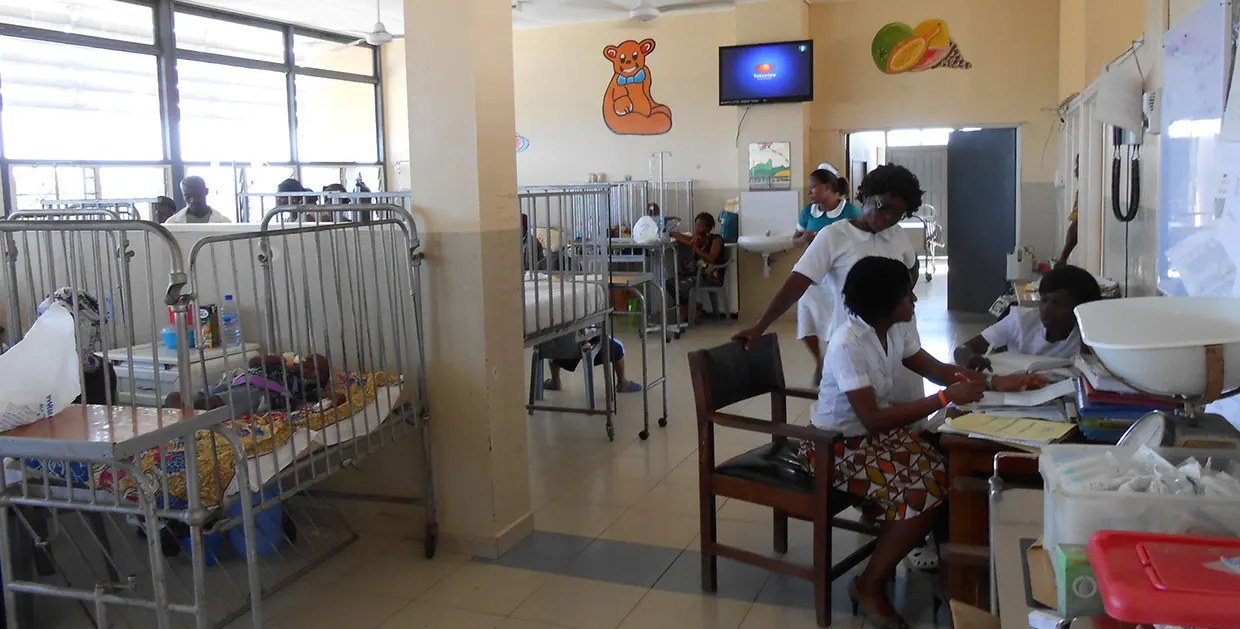

The HAI Ghana Project
The Ghana HAI project is an international multicentre and interdisciplinary research network that brings together academia (PhD students and Post-Doctoral fellows supervised by Ghanaian and Danish team of experts in the fields of clinical microbiology, interventional studies, cost analysis and ethnographic research), hospitals, policy makers, and civil society groups who work in infection prevention and control.
Project Aim
The developmental objective is to reduce morbidity, mortality and cost related to HCAIs in Ghana. The study aims to assess the burden of HCAIs and antimicrobial use in Ghana, improve surveillance and reduce morbidity and mortality by implementing multi-faceted infection control interventions.
Expected Outcome
Our study will provide knowledge about prevalence of HCAIs and antimicrobial use in Ghana as well as the incidence of selected HCAIs. In particular the study will provide data on morbidity and mortality, determinants, socio-economic costs, pathogen transmission dynamics and antimicrobial use and resistance associated with SSIs, neonatal and puerperal sepsis. The study shall be broken down into 6 work packages for an expected total of 3 PhDs and 3 Post-Doctoral students. A system for surveillance of SSIs will be developed and implemented in partnership with GHS.
Our research
Six work packages, one goal
Each work package is led by PhD students and post-doctoral fellows, supervised by Ghanaian and Danish experts.
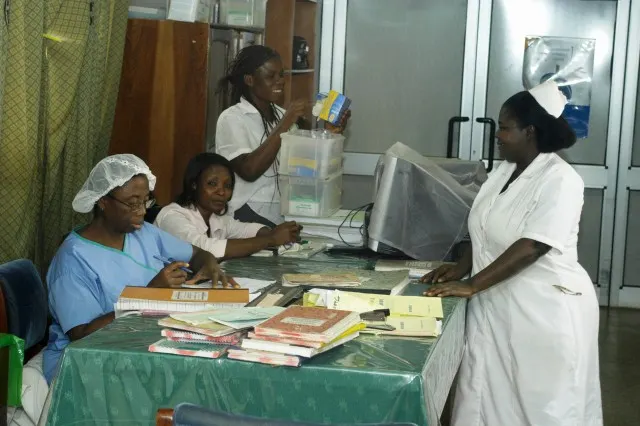 Work package 1
Surgical Site Infections
Surgical site infections (SSIs) is a key indicator for measuring the iterator performance of individual surgeons and hospitals, and surveillance data on SSI is a measure of patient safety. With feedback to surgeons…
Read more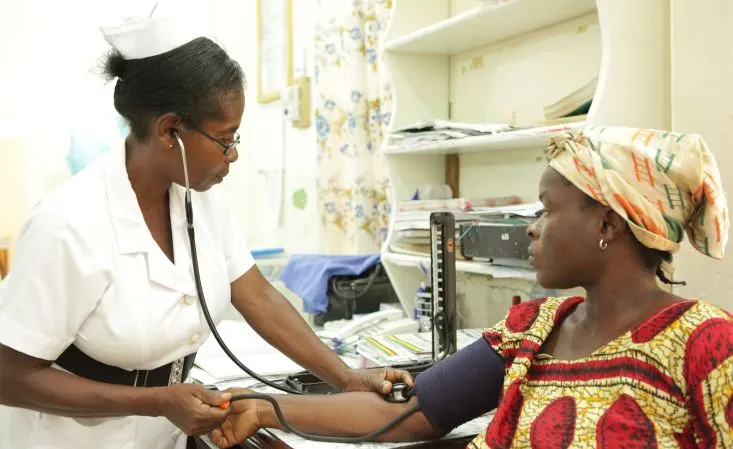 Work package 2
Neonatal Infections
In Ghana, neonatal sepsis and other neonatal infections account for 31% of all neonatal deaths. At the KBTH it accounts for 15.7% of all neonatal intensive care unit (NICU) admissions and was implicated in 12.8% of all…
Read more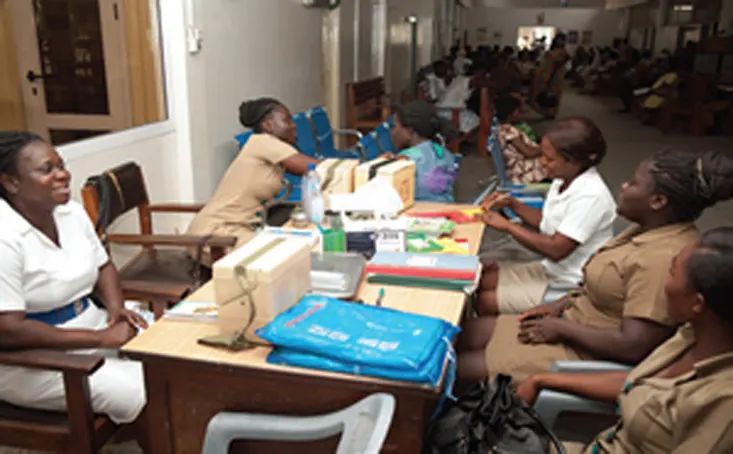 Work package 3
Puerperal Infection
Worldwide research on puerperal infections is dominated by literature from developed countries due to paucity of data describing the infection from resource limited countries. There is therefore inadequate development…
Read more Work package 4
Costing of Healthcare Associated Infections
Healthcare associated infections (HAIs) pose a constant threat not only to patients, their families and healthcare systems but also to society as a whole. Apart from contributing to increased mortality they add…
Read more Work package 5
Ethnography
Healthcare Associated infections (HAIs) persist as a major problem in healthcare systems worldwide, and the associated morbidity and mortality is often higher in developing countries. There is dearth of reliable data on…
Read more Work package 6
Point Prevalence Survey
Worldwide research on healthcare associated infections is dominated by data from developed countries due to paucity of data describing infections from resource limited countries. There is therefore inadequate…
Read moreNews & Events
Latest from the project
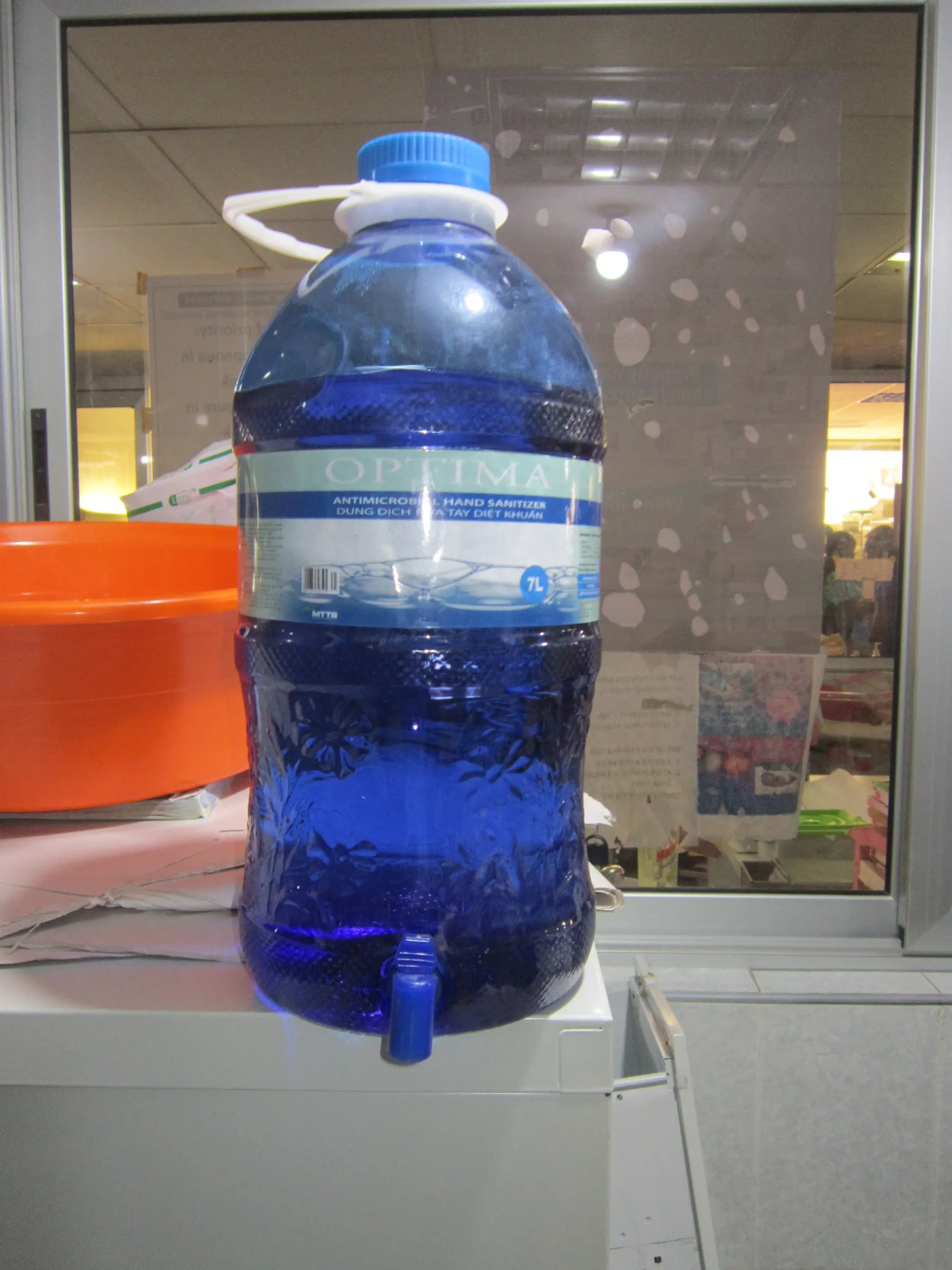
Neonatal Sepsis Work Package launches alcohol based hand hygiene promotion campaign at the Neonatal Intensive Care Unit (NICU) of the Korle-Bu Teaching Hospital
As part of efforts to improve care for our newborns and reduce hospital acquired infections at the NICU of the Korle-Bu Teaching Hospital; the neonatal sepsis work package under the HAI-Ghana project…
Read article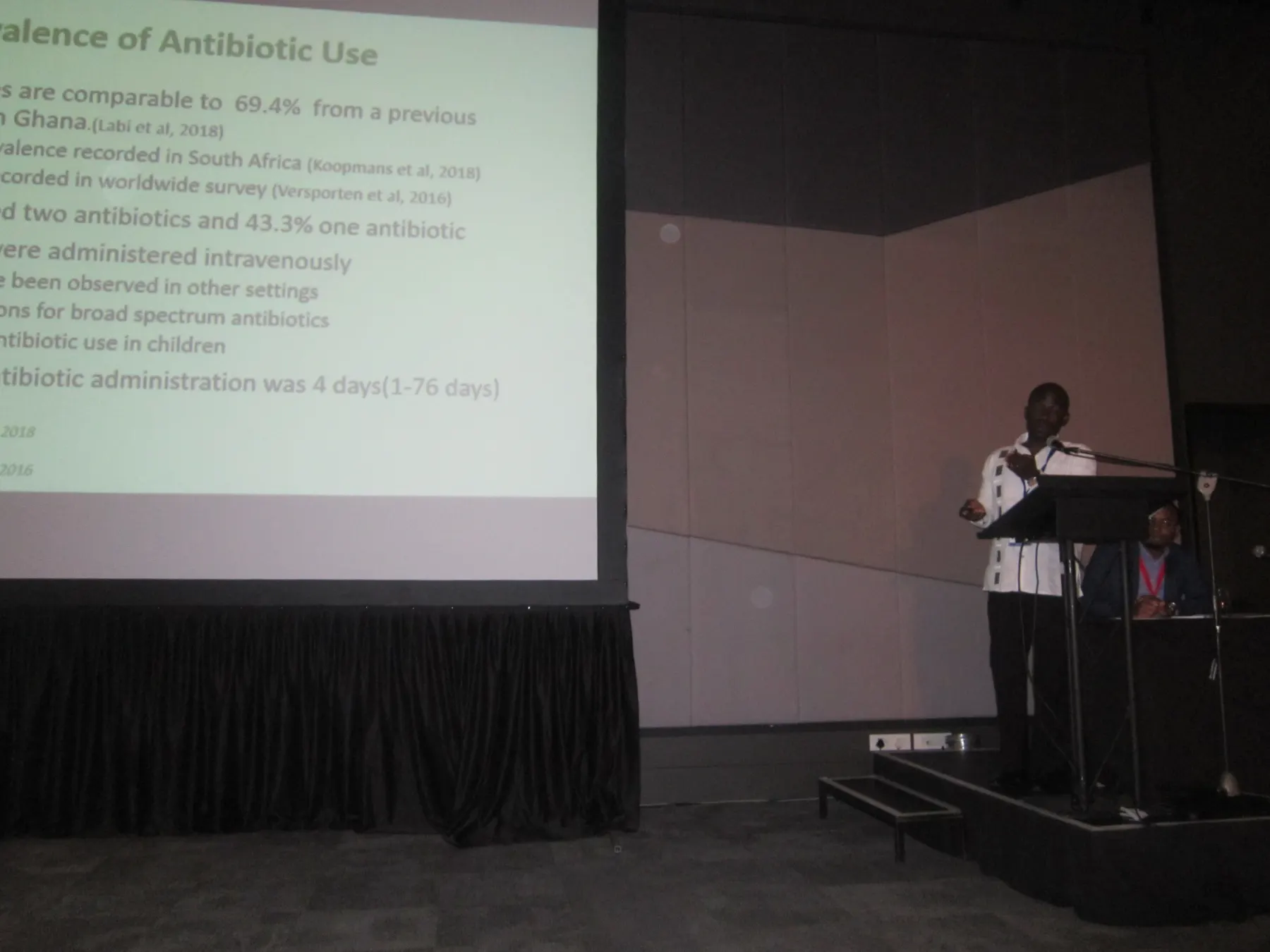
ICAN 2018
Dr Appiah-Korang Labi-shared some findings from the recent multi-centre point prevalence survey with delegates at the 7 th Infection Control African Network in Capetown South Africa. Dr. Labi won a…
Read articlePublications
Research outputs
- Journal article Traffic flow and microbial air contamination in operating rooms at a major teaching hospital in Ghana
- Journal article Multi-Centre Point Prevalence Survey of Hospital-Acquired Infections in Ghana
- Policy brief Airborne Bacteria in the Operating Room
- Newsletter December 2017: Issue 2
In the field
Inside Ghana's hospitals
Photos from our study sites across the country: surgical wards, neonatal units, laboratories and the people who make the research possible.




Working on infection prevention in Ghana?
Get in touch with the HAI-Ghana project office at the Medical Microbiology Department, Korle-Bu.
Contact the project